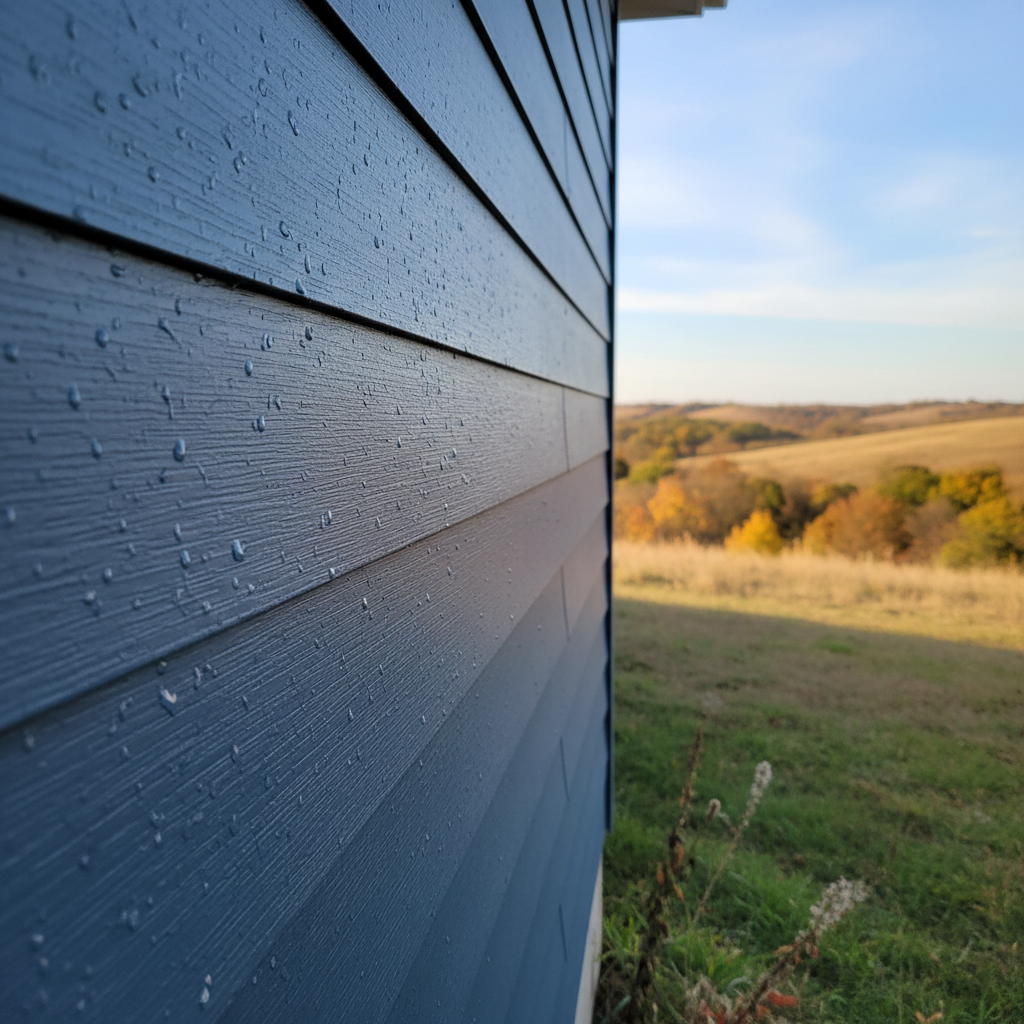
So, you're wondering about cleaning your home's siding, huh? That's a common question I get from folks all over Junction City, whether they're in an older place near downtown or a newer build out by Milford Lake. Keeping your siding clean isn't just about curb appeal, you know; it's about protecting your investment and making sure your home stands up to our Kansas weather. Let's dig into some of the most frequent questions I hear.
How often should I clean my siding?
This isn't a one-size-fits-all answer, but generally, I tell people to aim for at least once a year. Think of it like washing your car; you wouldn't let that go for years, would you? Here in Junction City, we get a good mix of everything – dust from the fields, pollen in the spring, and sometimes that red dirt can really cling on. If your home sits under a lot of trees, especially pines, you might see more algae or mildew buildup. That means you'll want to clean it more often, maybe twice a year. If you've got a busy road nearby, or your house faces west and gets a lot of afternoon sun and dust, you'll probably notice it getting dirty faster. Just walk around your house every few months and take a good look. You'll know when it's time.
What's the best way to clean vinyl siding?
Vinyl siding is pretty common around here, and it's usually quite easy to clean. For most homeowners, a soft-bristle brush, a garden hose, and a bucket of soapy water will do the trick. You can use a mild detergent – something like dish soap works fine, or there are specific siding cleaning solutions you can pick up at the hardware store. Start from the bottom and work your way up when applying the soap, then rinse from the top down. That way, you're not leaving streaks. For tougher spots, like mildew, a mixture of water and a little bit of bleach (about 1 part bleach to 4 parts water) can be really effective. Just be careful with bleach around plants and wear old clothes. Always test any solution on an inconspicuous spot first to make sure it doesn't discolor anything.
Can I use a pressure washer on my siding?
You can, but you've got to be careful. A pressure washer can be a real time-saver, but it's also powerful enough to do some serious damage if you're not using it right. Too much pressure, or holding the nozzle too close, can force water behind the siding panels, which can lead to mold, rot, and other problems inside your walls. It can also strip paint, etch surfaces, or even blow off siding panels. If you're going to use one, I recommend keeping the pressure low – usually around 1200-1500 PSI for vinyl – and using a wide-angle nozzle (like a 25-degree or 40-degree tip). Keep the wand moving and at least a foot away from the siding. Always spray downward, never up, to avoid forcing water under the laps. If you're not comfortable, honestly, it's better to just stick with the garden hose and brush, or call in a pro. Junction City Siding Company has seen plenty of homes that needed repairs because of improper pressure washing.
What about mold, mildew, or algae growth?
Ah, the green and black stuff. It's a common problem, especially on the north side of houses or in shady spots where moisture lingers. Our humid summers here in Kansas don't help. For these growths, a good cleaning solution with a fungicide is usually your best bet. As I mentioned, a diluted bleach solution works well, but there are also oxygen bleach cleaners that are safer for plants and won't harm your siding. Apply the solution, let it sit for 10-15 minutes (don't let it dry!), and then scrub or rinse it off. You might need a little elbow grease for stubborn spots. Regular cleaning helps prevent it from getting established in the first place.
Should I clean my siding myself or hire a professional?
That really depends on a few things: the size of your house, how dirty it is, and how comfortable you are working on a ladder. For a small, single-story home with light dirt, it's definitely a DIY job. You'll save some money and get a good workout. But if you've got a two-story house, or a lot of tough stains, or if you're just not keen on heights, hiring a pro is probably the smarter move. We've got the right equipment, the right solutions, and the experience to get it done safely and effectively. It saves you time, prevents potential damage, and frankly, it's just easier. Think of it as an investment in your home's longevity and appearance.
What's the best time of year to clean siding in Junction City?
I usually recommend late spring or early fall. In the spring, you're washing off all the winter grime and getting your house ready for summer. Plus, the temperatures are usually mild enough that the cleaning solutions won't dry too quickly, and you won't be sweating buckets. Early fall is good for getting rid of summer dust and pollen before winter sets in. I'd avoid cleaning in the dead of summer when it's scorching hot, or in the winter when it's freezing. Extreme temperatures can make the job uncomfortable and less effective, and you don't want water freezing on your siding or in your equipment.
Keeping your siding clean is a pretty straightforward maintenance task, but it makes a huge difference in how your home looks and how long your siding lasts. If you've got more questions, or if you'd rather leave the scrubbing to us, don't hesitate to give Junction City Siding Company a call. We're always happy to help our neighbors out.