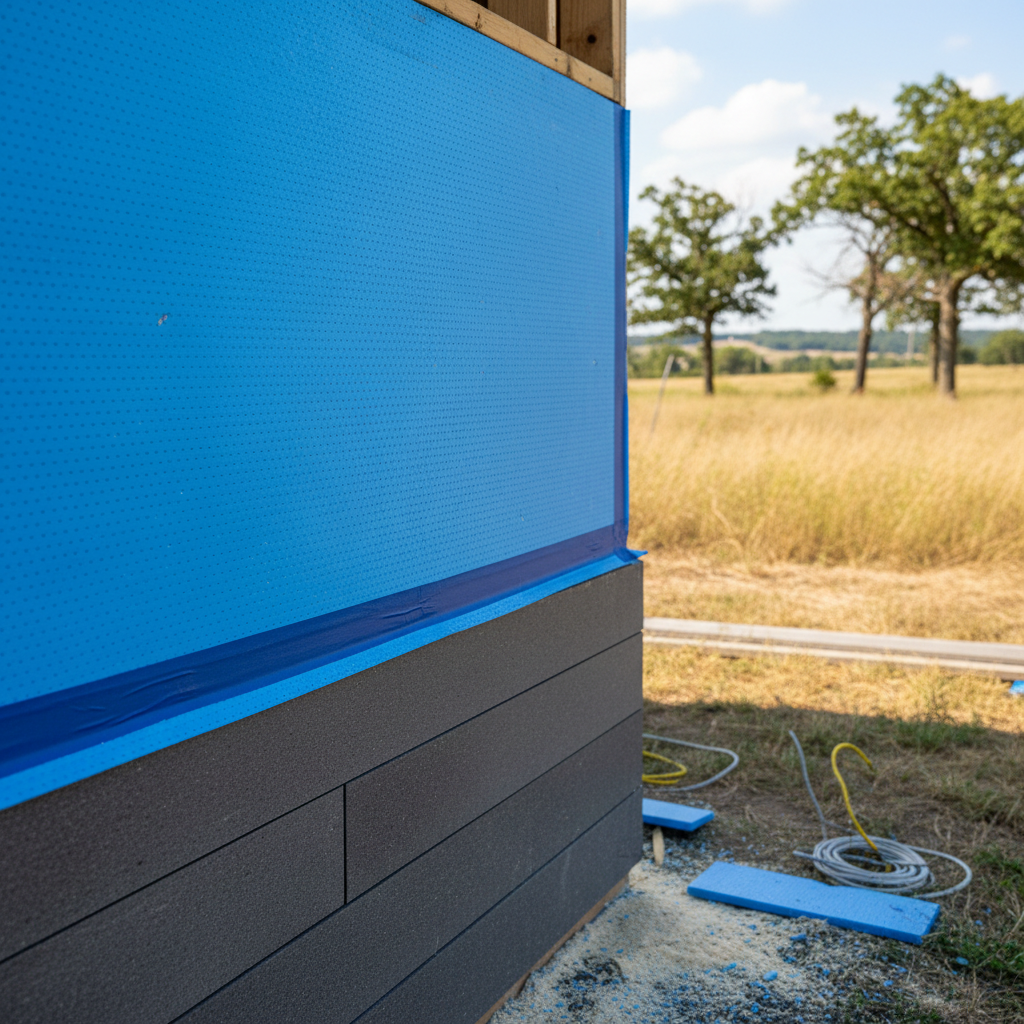
Alright, let's talk insulation. It's one of those things you don't think about much until your energy bill spikes or you're freezing your tail off in January. I get a lot of questions about insulation from homeowners around Junction City, and it's usually because they're trying to figure out if it's worth the investment or what kind they even need. So, I figured I'd tackle some of the most common ones right here.
What's the best type of insulation for my home?
Honestly, there's no single 'best' type for every house. It really depends on where you're putting it, your budget, and what you're trying to achieve. For attics, blown-in fiberglass or cellulose is super common and effective. It fills all those nooks and crannies well. For walls, especially if you're doing a gut rehab or new construction, spray foam can be fantastic because it seals air leaks while insulating. If you're just looking to add a layer in an existing attic, rolls of fiberglass batt insulation are easy enough for a DIYer, but they don't always seal as well as blown-in.
Here in Junction City, with our wild temperature swings – from scorching summers to bitter cold winters – you want something that can handle both. I've seen homes in neighborhoods like Spring Valley where the original insulation just isn't cutting it anymore, and adding blown-in cellulose to the attic makes a huge difference in comfort and energy bills.
How do I know if my insulation needs an upgrade?
You'll usually feel it. Are some rooms noticeably colder or hotter than others? Do your energy bills seem way too high for the size of your house? Is your furnace or AC running constantly? Those are all pretty good signs. Another easy check is to head up to your attic (carefully, of course) and take a look. If you can see the top of your ceiling joists, you probably don't have enough insulation. For attics, we're generally looking for at least 15-20 inches of blown-in material to hit those recommended R-values for our climate zone.
What's an R-value and why does it matter?
R-value is just a measure of thermal resistance. Basically, it tells you how well the insulation resists heat flow. A higher R-value means better insulating power. For attics in our region (Climate Zone 4), the Department of Energy recommends R-values between R-38 and R-60. Walls are usually R-13 to R-21, depending on the wall cavity depth. It matters because the higher the R-value, the less heat escapes in winter and the less heat gets in during summer. It's all about keeping your conditioned air inside where it belongs.
Can I install insulation myself, or should I hire a pro?
Some types of insulation, like fiberglass batts in an accessible attic, are definitely DIY-friendly. You can rent a blower for blown-in cellulose or fiberglass too, but it's a messy job and getting even coverage, especially in tight spots, can be tricky. Spray foam? Leave that to the pros. It requires specialized equipment and training to mix and apply correctly. If it's not done right, you can end up with voids or even issues with off-gassing. For most homeowners, especially for blown-in insulation or anything in walls, hiring a reputable contractor like Junction City Siding Company is usually the smarter move. We've got the gear and the know-how to do it safely and effectively.
How much does insulation installation cost?
This is the million-dollar question, and it's tough to give a one-size-fits-all answer. It depends on the type of insulation, the R-value you're aiming for, the size of the area, and how accessible it is. Attic insulation is generally less expensive per square foot than wall insulation, especially if we're talking about drilling holes in existing walls and blowing it in. Spray foam is usually the most expensive upfront. What I can tell you is that it's an investment that pays for itself over time through energy savings. We can give you a solid estimate once we take a look at your specific situation.
Will new insulation really save me money on my energy bills?
Absolutely, it will. Think about it: your heating and cooling system works hard to keep your home comfortable. If that conditioned air is just leaking out through your attic or walls, your system has to work even harder, driving up your energy consumption. Good insulation acts like a thermal blanket, keeping the heat in during winter and out during summer. Most homeowners see a noticeable drop in their energy bills after upgrading their insulation, often enough to recoup the cost of the insulation within a few years. Plus, your home will just feel more comfortable year-round, which is a huge bonus.